

In this issue:
Greetings from Australia!
Barnes and Noble Nook news
Cover reveal
Two microprose stories
WHERE IS WALDO? (or Wally, as they say here in Australia)
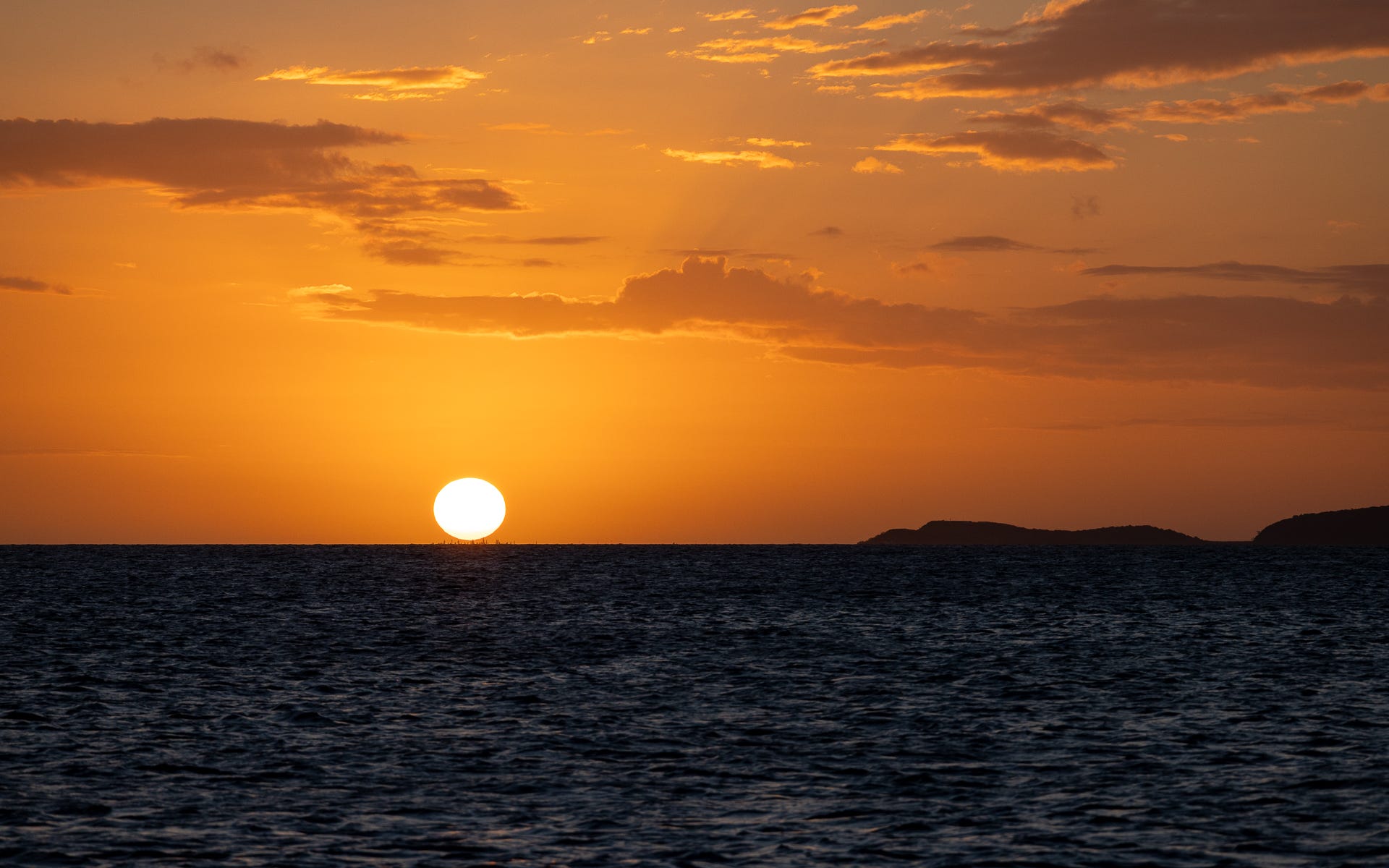
Greetings from Manly, Australia and Happy Thanksgiving to my American readers! About three weeks ago, we arrived in Bundaberg after a sporty passage from New Caledonia. Since then, we’ve sailed south and are now settled in our cyclone-season cruising grounds of Moreton Bay, just east of Brisbane. We are currently staying at a marina in Manly, which we only do when we have to when we need to do land-people things. For example, yesterday we took a 45-minute train to Brisbane to go to the eye doctor and renew our contact lens prescriptions. Today, Yolanda is off to the hair salon, and tomorrow we both have doctor appointments for general checkups and vaccinations. Land-people things!
We really enjoy going to big cities as part of our travels. It gives us a break from the confined life we’ve built on the boat. We love walking on the busy streets, stopping for another capuchino every couple of hours, and visiting the stores full of things we don’t need. However, when I say we enjoy it, I mean for about a few hours! After a while, it gets completely overwhelming and we can’t wait to go back into our floating cave.
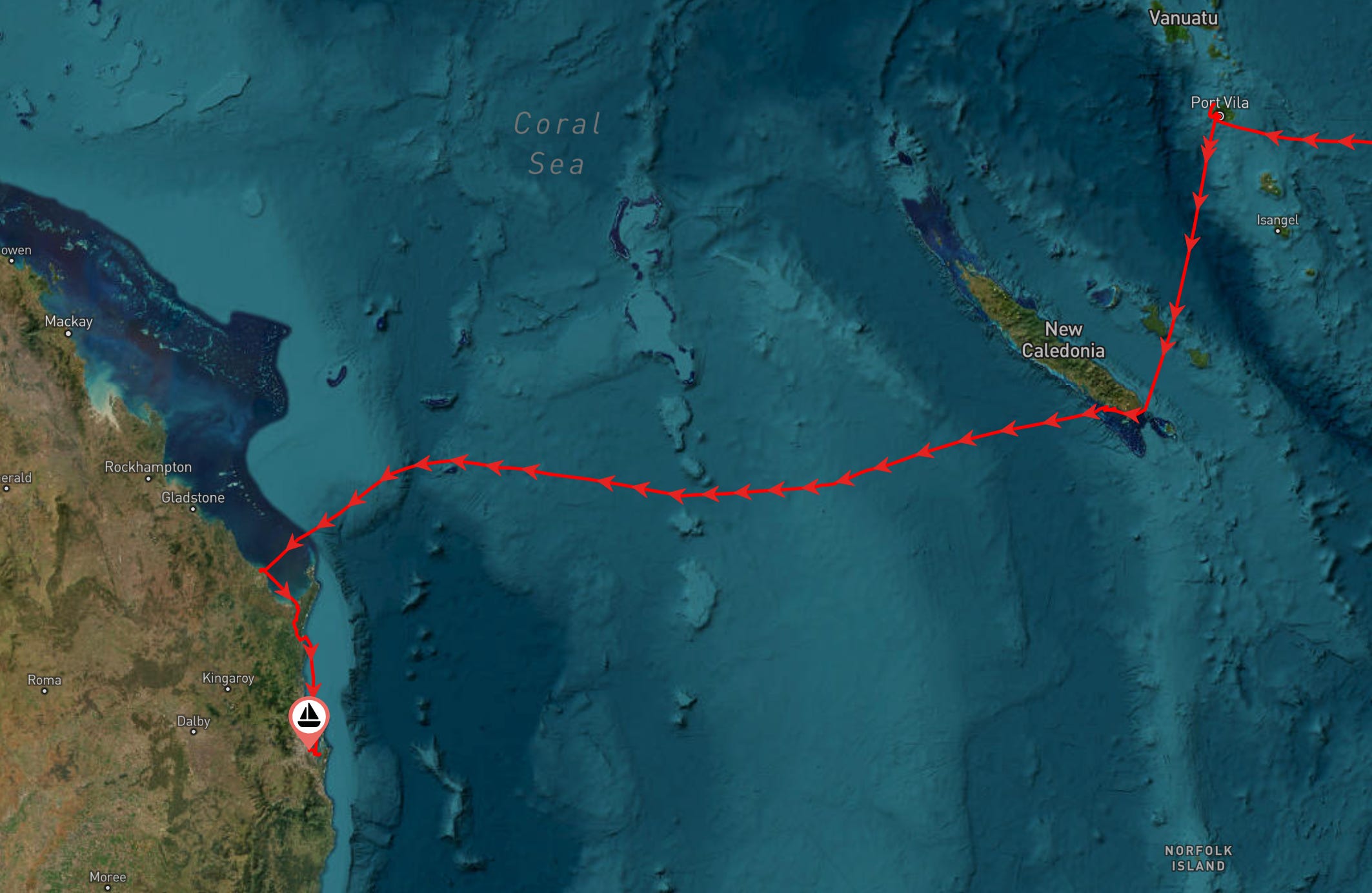
This Saturday, we’ll leave the marina and head to the south side of Peel Island, one of 3-4 spots that we’ll use as our base this season. Peel Island is a beautiful uninhabited island in Moreton Bay that is perfect for getting work done without the temptation of restaurants, bars, and stores. We’ll stay there until we run out of food or until the wind shifts south and the anchorage becomes uncomfortable. Then, we’ll simply move to one of the more protected bays of the mainland, load up on food, and wait for the wind to shift again so we head back to that empty island. And that will be our life for the next several months until cyclone season ends and we’ll be able to head west towards South Africa.
BOOK NEWS & INSIGHTS
Fifteen Years to Hiva Oa
The eBook is finally available on Barnes & Noble for those of you who read primarily on Nook. You can also keep buying it on Amazon, Kobo, bookshop.org, Indigo (for my Canadian friends) and even Booktopia in Australia. If you already read it, gift it to a friend. The paperback will make an awesome Christmas present!
The novel was selected by a few yacht-club-associated book clubs, including two in Australia and one in Canada. I’m scheduled to visit one of the book clubs in Melbourne in February and will join the one in Canada via Zoom in March. If you are part of a book club and want to consider Fifteen Years to Hiva Oa, please reach out. I will be glad to send the book club coordinator a sample copy for consideration.
Here is a secret:
In chapter 22, Megan tells this story.
In the early morning of June 29, we anchored in the middle of the sleepy Tyrell Bay in Carriacou, a day’s sail north of Grenada. No one came out to see who the new arrivals were. Half the boats looked abandoned: masts without sails and hulls full of algae, barnacles, and mold. It was an unplanned quick stop, forced upon us by a chafe in the first reef line and a broken freshwater pump that needed to be replaced.
Noah and Dad had just replaced the reef line when Mom yelled, “What’s that guy doing?”
A solo sailor on a small ancient monohull was motoring around the anchorage. He was old, disheveled, and shirtless. A caricature of a salty old man who had abandoned not only land life, but all life outside the confines of his small boat.
“What’s wrong?” Dad asked.
“His anchor is down!”
The anchor chain was hanging from the bow and disappearing into the water. From above, it looked like nothing, just a chain hanging from a boat. But below the surface, the anchor was about to bring chaos to the otherwise serene anchorage.
The boat made an extended circuit around the bay and headed out to the open sea. Crisis averted, nothing to see here, we thought. But then he turned and began coming directly toward us. Several cruisers were now standing on their decks, yelling to the guy that his anchor was hanging down. But he had no reaction. He passed us within 5 feet and continued moving forward.
“Is that boat dragging? It’s moving backward!” Mom shouted. She was pointing at our neighbor, a large fishing motorboat that had been anchored forward of us but was now moving backward past our stern.
“It’s not moving backward, we’re moving forward!” Dad yelled while running toward the bow. The crazy old guy’s anchor had hooked onto our chain and was dragging us along.
“Hey, hey, hey!” we all started yelling. “You’re dragging us forward! Your anchor is down!”
The guy finally looked at us. “I’ve got no fingers!” he shouted. And laughed, like it was the funniest of things.
That story is 100% true, except my wife was the one asking, “Is that boat dragging?” In the book, Noah boards the runaway boat and helps the confused sailor lift the anchor and unhook theirs. In real life, it was a fellow cruiser who boarded the boat and untangled our chain. Now, you may remember what happened when they moved away from all the boats in the anchorage to a place they thought was safe. You may have thought, “This is a bit too far-fetched. Two crises back to back?” But that event is also true! We got hit by a fishing sailboat the day after the drama above! I hope I have some time once the second book is released to write some of these stories for Currents and Wind.
The full Newsletter is available to subscribers only. Subscribe for free to access all Currents and Wind stories, including this newsletter.